
The venue might be found. The games selected. The renders underway. The name may even be causing arguments in a WhatsApp group.
But if the answer to that question is still a little woolly, there is work to do before serious money starts bringing the idea to life.
That is the proposition.
What are you actually selling?
Most new concepts begin with the thing they do. Mini golf. Bowling. Darts. Live music. Immersive theatre. A sports bar. A collection of games under one roof.
That tells us the category. It does not necessarily tell us why anyone should choose you.
A useful proposition gets underneath the activity and works out what the customer is really being offered. Easy family time. A bit of healthy competition. Escapism. A proper night out. Something worth talking about the next day.
The activity matters. But it is often the mechanism rather than the value.
A proposition is not a tagline
A tagline is something you might say. A proposition is why the business makes sense to the customer.
It should help answer who this is really for, why they would choose it, what it gives them that the alternatives do not, and what the experience needs to feel like for that promise to be believable.
If the strategy is doing its job, those answers start making decisions for you. Not just in the identity, but in the venue, website, pricing, launch campaign and the way the team talks about the experience.
Do not rely on category cues to do the work
Many experience categories now come with familiar visual cues.
Competitive socialising, immersive experiences and premium mini golf can all start to look very similar.
The problem starts when those category cues become the whole idea.
If three concepts can all credibly promise great drinks, great games and a great atmosphere, the customer still has a decision to make. That is why clear positioning matters.
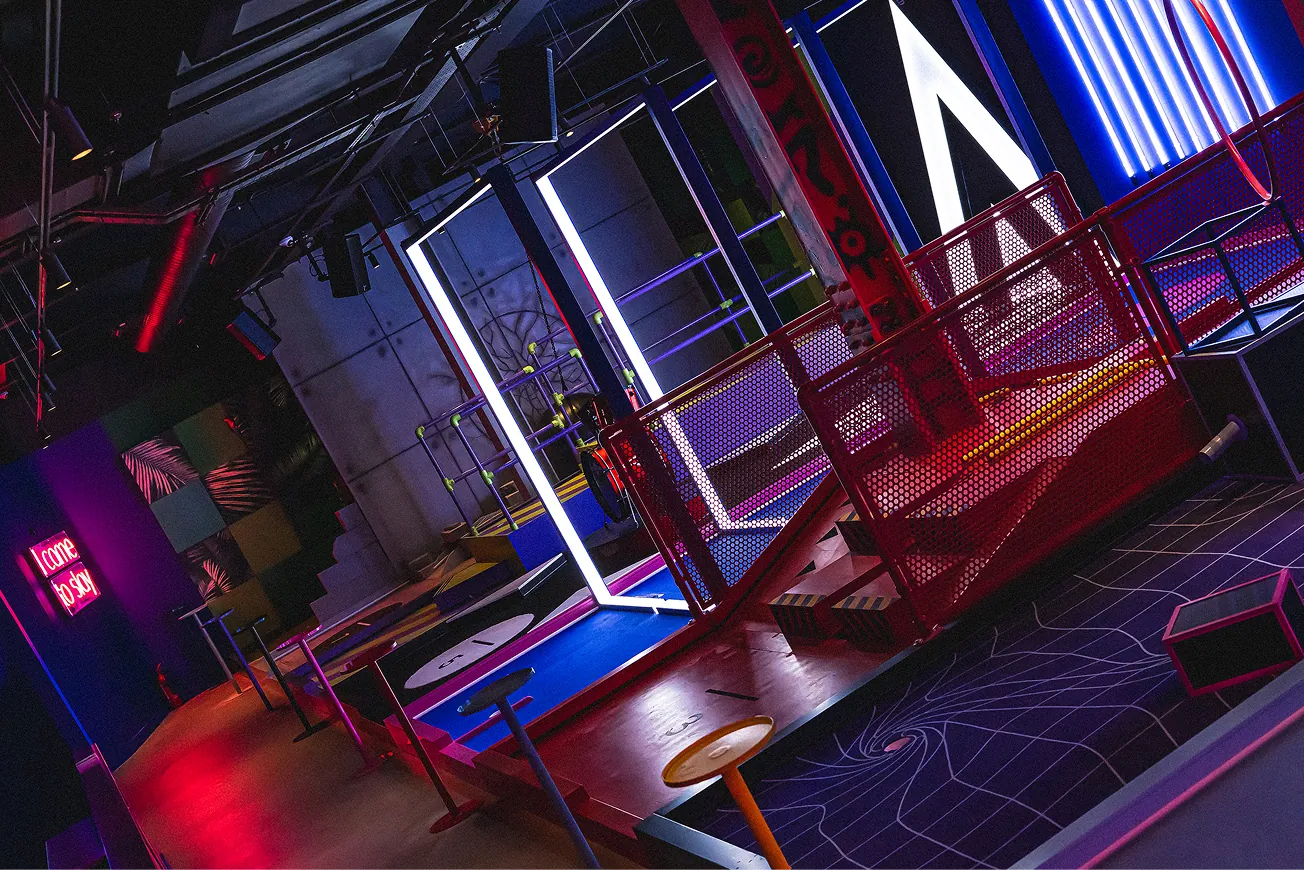
Mighty Adventures: turning mini golf into a fuller family experience
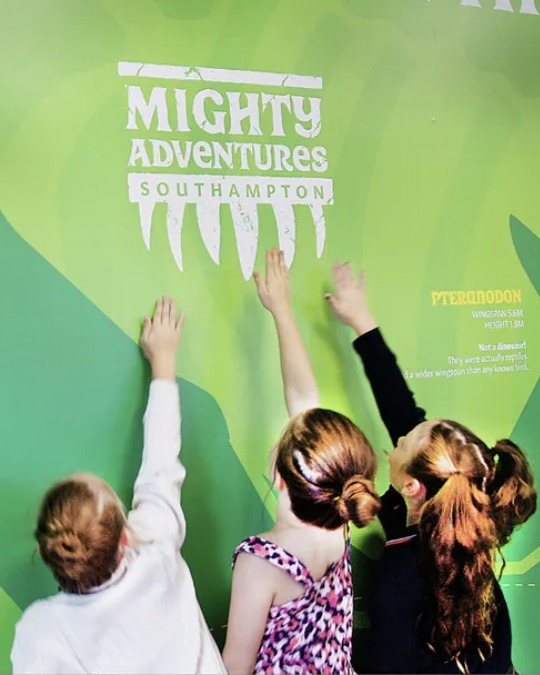
Mighty Adventures began with outdoor mini golf. Perfectly good product. But 'come and play mini golf' leaves a lot of the experience on the table.
We helped turn the visit into a mission-led family adventure. Characters, story, signage and the way the course was presented all began working towards the same idea.
The proposition turned the golf into part of a bigger experience. That gave the brand more to own than the activity alone.
If the idea is hard to explain, it needs more work
Some experience concepts are naturally harder to sell than others. Humbug is a good example.
It combines live music, interactive performance, party games, singalongs, drinks and a Christmas story. All true. All useful. And all capable of becoming a fairly exhausting paragraph if everything is asked to lead at once.
The strategic job is to decide what people need to understand first, what makes them want to come and what can wait until later.
This happens before the media plan. Buying more attention does not make a complicated proposition simpler.

What should be clear before branding starts?
Before committing to an identity or taking a new experience to market, you need clear answers on the audience, the value, the difference, the promise, the personality and the commercial model.
Can the proposition support the price? Does it give the experience room to grow? Can it survive a second venue? Does it help the team decide what belongs and what does not?
Those answers do not have to be perfect forever. They do need to be good enough to make the next decisions with confidence.
What becomes easier once the proposition is clear
Once the proposition is clear, the next decisions become easier.
The identity has a clear idea to express. The interior has a clear role. The website knows what to lead with. The campaign has a clear message.
And everyone involved in building the thing has a shared idea of what they are trying to create.
That is more useful than starting with colours and logos.