
Positioning is often treated as the bit of strategy that produces a diagram with several competitors dotted around it.
That can be useful. It is not the point.
The point is to decide who the brand is for, where it should compete and why people should choose it.
Your category is not your positioning
Saying you are a premium competitive socialising venue describes the market you are entering. It does not tell anyone why your version deserves their evening.
The same is true of boutique hotels, immersive attractions, sports bars, food halls and family entertainment. Customers are rarely comparing you with an empty space. They are comparing you with other ways to spend the same money and time.
Positioning gives them a reason to choose you over those alternatives.
Start with a real customer problem
Brand workshops often produce long lists of adjectives. Fun. Premium. Social. Bold. Inclusive. Energetic.
Most of them describe how you would like the brand to feel. They do not explain why customers should choose it.
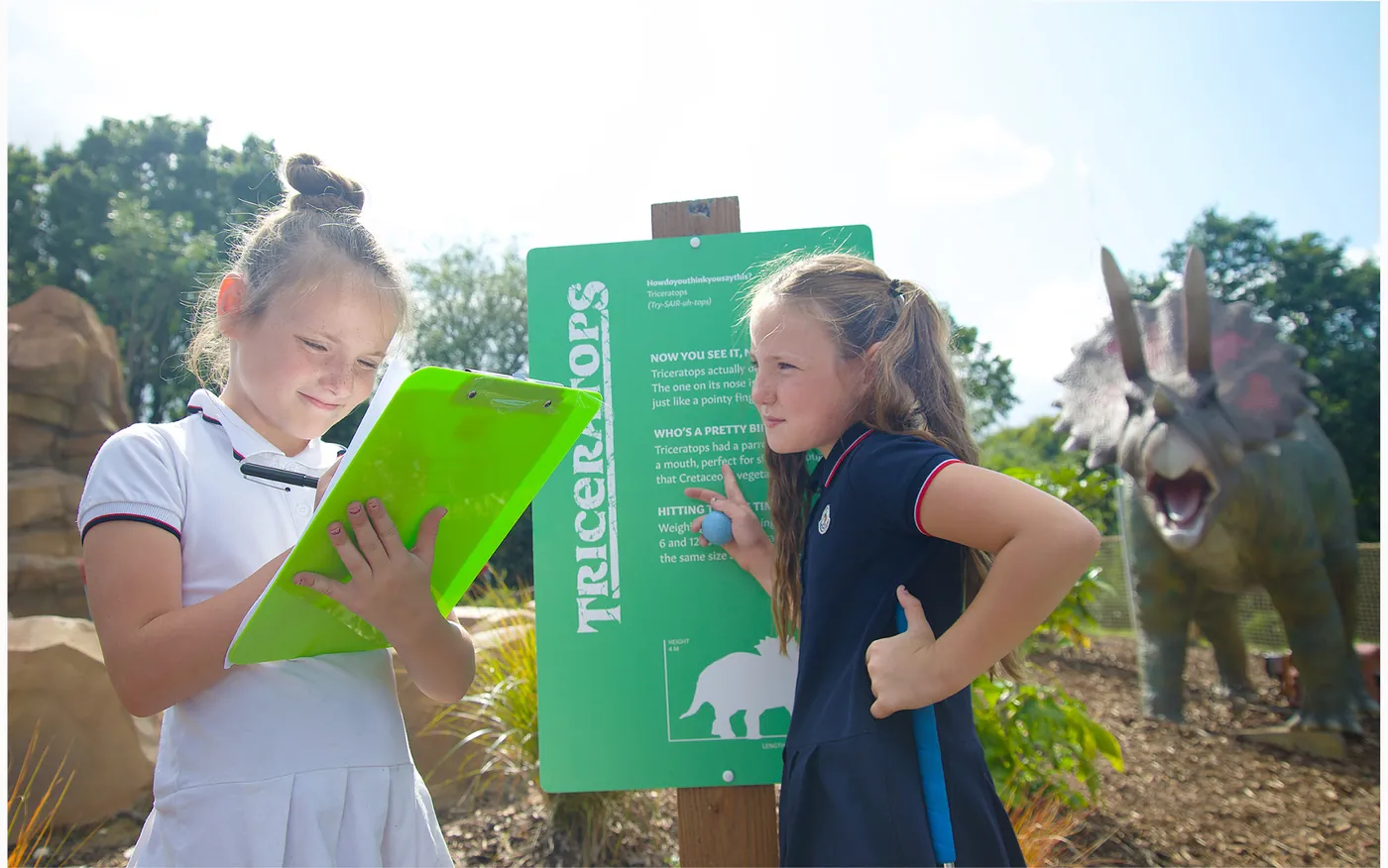
We are more interested in real customer problems the business can solve. Parents want an activity that keeps children happy without making the adults endure it. Groups want something to do without sacrificing the quality of the night out. Fans want immersion without needing a doctorate in the source material.
Those problems are useful because they lead to practical choices.
Good positioning helps you make decisions
A good position should make it easier to choose what fits the brand and reject what does not.
If an offer, partnership, interior treatment or campaign makes the business less like the thing it has chosen to be, the strategy should make that visible.
That becomes more important as a concept grows. The first venue can rely on founders making instinctive decisions. The fifth needs a clearer system.
Fortune Favours: building for more than one site
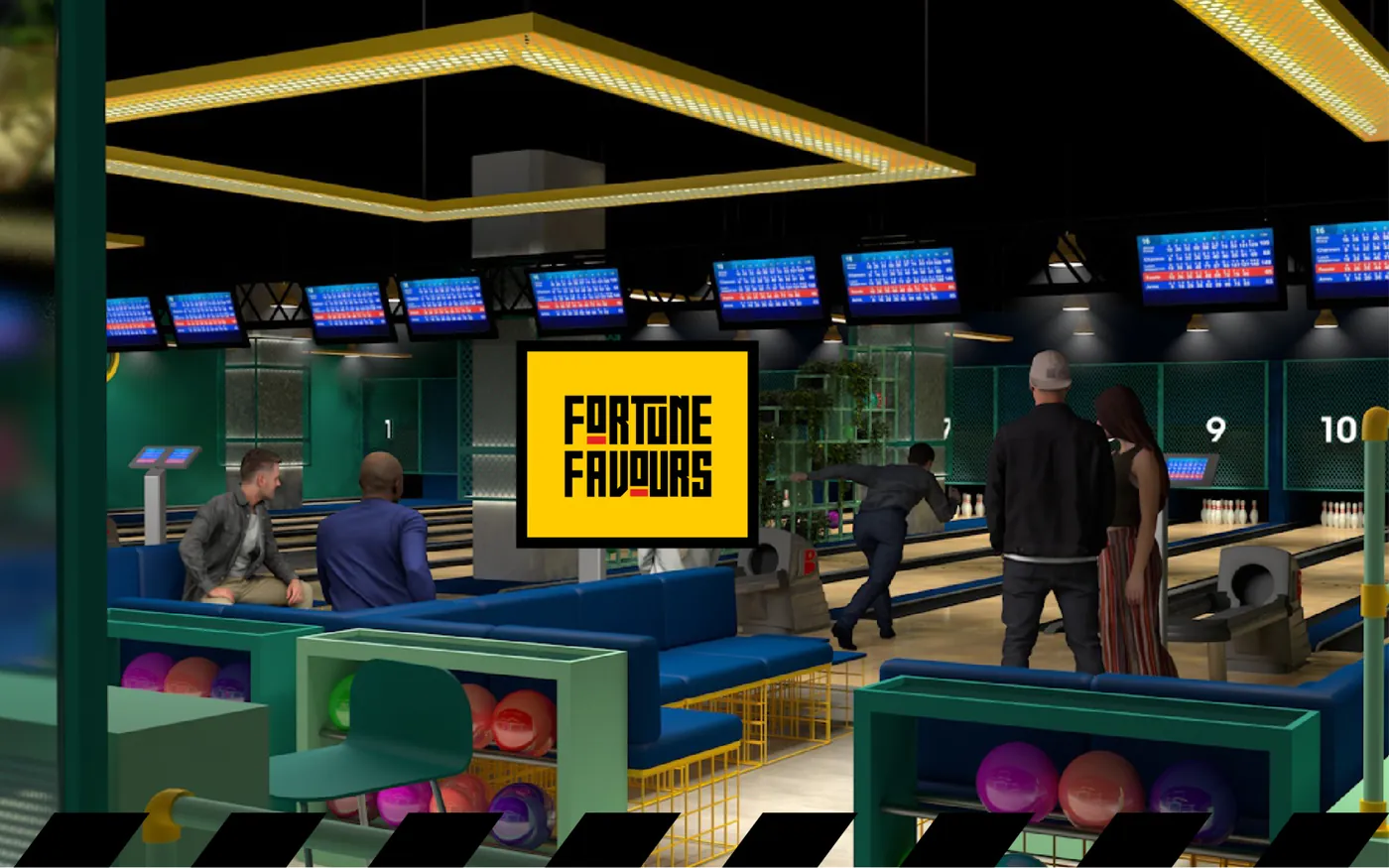
Fortune Favours was created for an entertainment business with ambitions across more than fifteen European destinations.
That changes the strategic job. The brand cannot depend on one building, one local audience or one fashionable execution.
The position has to be elastic enough to travel, but specific enough to remain recognisable. That is the difference between designing a nice venue and building an asset the business can keep using.
A simple test
Can a customer understand the difference without hearing the strategy presentation?
Can the team explain it without reaching for a list of features?
Can it influence product, service, space and marketing rather than only the copy deck?
And could a competitor copy the sentence tomorrow without changing anything about its business?
If the last answer is yes, there is probably more work to do.